
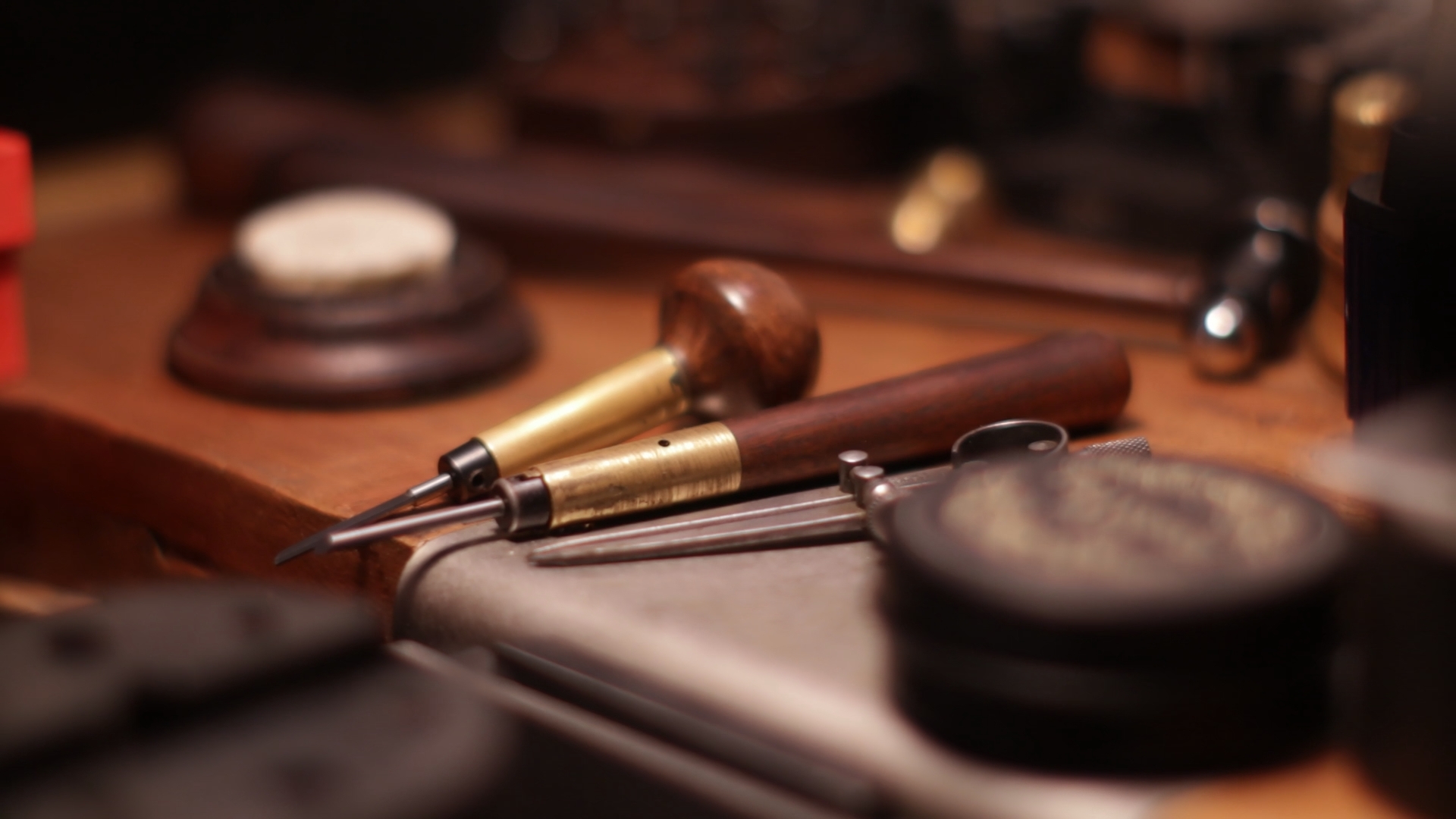
Some things are more than just things. They hold silence like a breath held deep. They speak without words, not loudly but steadily. These are forever objects, pieces shaped by hand, held by time, and meant to last longer than we do.
A forever object is not simply something made. It is a story, personified. It begins with raw material: stone, wood, steel, leather or clay. These are taken from the earth, not to be wasted but shaped with care. They are not just parts of a product. They are fragments of a tale that has been waiting to be told.
Craft Over Convenience
We live in a world filled with fast things. Quick to buy. Quick to break. Quick to forget. A forever object stands against that tide. It is slow. It is quiet. It takes time to make, time to understand and time to keep.
A master crafts it. Not a factory, not a machine. A person. Someone who has spent years learning how to listen to the grain of wood, the tension in thread or the curve in a blade. The maker becomes part of the object. Their touch is written into its surface like a fingerprint you may not see but can feel.
They do not create things just to sell. They create things to last. And they stand by them. If it cracks, they mend it. If it fades, they restore it. This is not a service for hire, but a relationship between the object, its maker and its keeper.
More Than Ownership
When you hold a forever object, you do not truly own it. You steward it. You become the next name in a longer chain, not the final one. The object does not end with you. It continues.
It is not something you buy. It is something you receive. With it comes responsibility, not only pleasure. You learn how to care for it, how to use it with intention, how to notice its shifts—how leather darkens, how wood breathes, how metal warms to the hand.
Eventually, it is passed on. Not discarded, but entrusted. From one hand to another. From one generation to the next. This is the real mark of a forever object. It carries not just the story of its maker, but yours too. The story grows each time it changes hands.
The Opposite of Disposable
Most objects today are made to fail. Planned obsolescence is built into the seams. Screws that cannot be undone. Batteries sealed in place. Hinges that snap just outside warranty. This is the world of disposal, not care.
A forever object resists that cycle. It can be serviced. Taken apart. Repaired. Refinished. Nothing is sealed beyond reach. Everything is made with the idea that someone, someday, will want to keep it alive. Its value does not lie in being new, but in being continuous.
Its age becomes a strength, not a flaw. Scratches, softened edges, a patina from use.
These are not damage. They are signs of life.
Like the lines on a face, they reveal where the object has been and what it has done. They do not reduce its worth. They deepen it.
Presence in the Everyday
A forever object does not need to be grand. It can be modest. A tool, a vessel, a garment, a seat. Yet it lives differently in a space. It draws your attention. It invites your touch. It slows you down. Not to frustrate, but to remind you that time has shape.
The way it feels matters. The weight, the balance, the grain, the finish. These things speak. You may not hear them at first, but over time they become part of your daily rhythm. A forever object is not here to impress. It is here to stay.
You begin to build a life around it. Not as a decoration, but as a companion. Not for show, but for meaning made real.
The Custodian’s Role
To be a custodian is to notice things. Not just when something is wrong, but before it is. It means storing the object well, handling it gently, knowing when it needs oil, rest or use. The more you learn about it, the more it teaches you about care itself.
You join a cycle that turns away from throwaway habits. You start asking different questions. Who made this? How was it made? What is it made of? Soon, you are not just caring for one object. You are living with more care in general.
The forever object becomes a mirror. Not of your taste, but of your values.
Heirloom, Not Relic
A forever object is not stuck in the past. It is not about nostalgia. It is about continuity. It does not sit in a glass cabinet, untouched. It is not a relic. It is used. Maintained. Needed.
That is what makes it an heirloom. Not because it is old, but because it still works. Because it still matters. You hand it down not as a keepsake, but as something that holds purpose. Still functional, still alive, still wanted.
The person who receives it does not need to be told what it is. They will feel it. In the balance, in the wear, in the quiet weight of something that has lasted.
An Oath, Not a Purchase
When you choose a forever object, you are doing more than buying. You are agreeing. You are honouring the hands that made it. You are taking on the care it deserves. You treat it not only as a tool or treasure, but as a companion in time.
You are saying, I will not forget. I will not replace this without cause. I will mend. I will preserve. I will pass it on.
This is what makes it a forever object. Not just how it is made, but how it is held.
Final Thought
A forever object is rare. Not because it is expensive, but because it is made with intent. It is shaped with belief. When you find one, and when you choose to care for it, you join something greater than consumption.
You become part of a quiet lineage. One rooted in craft, in care and in continuation.
And in your hands, a story lives on.
I am text block. Click edit button to change this text. Lorem ipsum dolor sit amet, consectetur adipiscing elit. Ut elit tellus, luctus nec ullamcorper mattis, pulvinar dapibus leo.

Hi, this is a comment.
To get started with moderating, editing, and deleting comments, please visit the Comments screen in the dashboard.
Commenter avatars come from Gravatar.